Oncology Diagnostic Investigations & Clinical Testing
Accurate histological, imaging, and genomic diagnostics form the bedrock of evidence-based oncology treatment planning. Explore clinical protocols, patient preparation guidelines, and key indications for 20 essential cancer diagnostic tests provided at RNT Medical College and MB Hospital Campus, Udaipur.
Educational Notice: This information is educational and does not replace a consultation with your doctor. Diagnostic investigations are prescribed strictly based on clinical evaluation by Dr. Narendra Rathore during in-person consultations.
The Patient Diagnostics Journey
From your very first visit to the start of active treatment, we ensure every step is transparent, evidence-based, and compassionate.
Initial Consultation
Physical examination and review of any existing reports.
Diagnostic Imaging
Scans like PET-CT or MRI to locate the primary tumor and assess spread.
Tissue Biopsy & Labs
Pathological confirmation and biomarker testing (IHC/NGS).
Tumor Board & Treatment
Multidisciplinary case review and initiation of the treatment protocol.
PET-CT Whole Body Scan
Advanced molecular fusion imaging combining metabolic 18F-FDG PET with anatomical CT scan for precise staging, restaging, and treatment response evaluation.
- Initial staging of solid organ & hematologic malignancies
- Evaluation of treatment response following chemotherapy or radiotherapy
Patient Preparation: Strict 6-hour fasting prior to appointment. Blood glucose level must be controlled (<200 mg/dL). Drink plenty of water as instructed by nuclear medicine staff.
Biopsy & Histopathology Examination
Definitive microscopic analysis of tissue specimens by experienced oncopathologists to confirm malignancy type, grade, and cellular origin.
- Definitive confirmation of suspected tumor lesions
- Determination of histological subtype (Carcinoma, Sarcoma, Lymphoma)
Patient Preparation: Bring all prior operative notes, biopsy blocks (FFPE blocks), slides, and clinical records to the clinic for pathologist review.
Immunohistochemistry (IHC) Biomarker Testing
Specialized protein antigen profiling on biopsy tissue to identify receptor status (ER/PR/HER2), lineage markers, and immunotherapy eligibility.
- Breast cancer subtyping (Luminal A/B, HER2+, Triple Negative)
- PD-L1 scoring for Checkpoint Inhibitor Immunotherapy
Patient Preparation: Requires paraffin tissue block (FFPE block) or freshly prepared unstained tissue slides from previous biopsy.
Advanced Tumor Testing (Genomic Profiling)
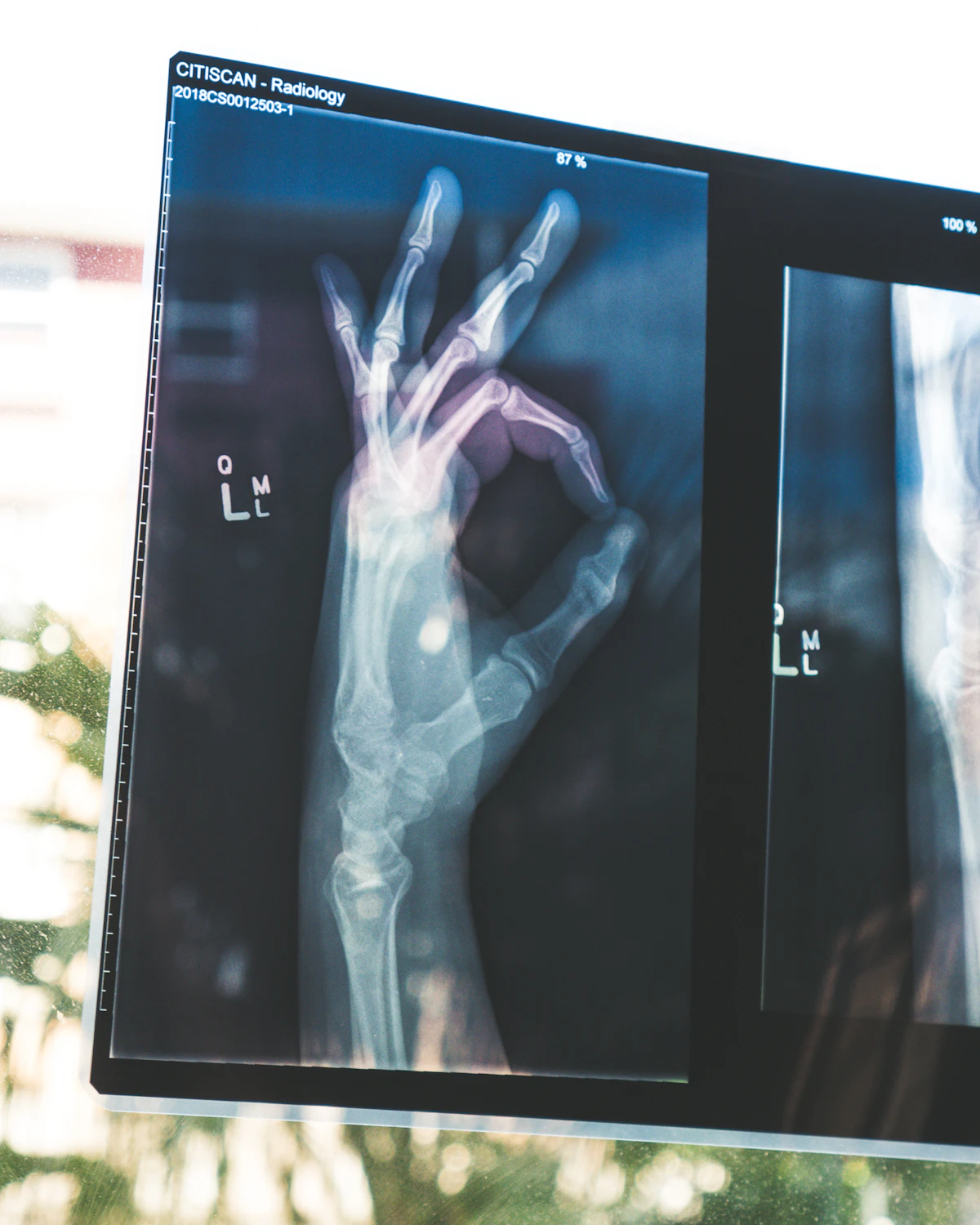
Comprehensive DNA/RNA genomic sequencing to detect actionable gene mutations, translocations, and microsatellite instability (MSI).
- Non-small cell lung carcinoma (NSCLC) driver mutation panels
- Colorectal cancer RAS/BRAF and MSI-H / dMMR status
Patient Preparation: Conducted on tissue blocks with adequate tumor cell content (>20% tumor fraction) or peripheral blood for liquid biopsy NGS.
Contrast-Enhanced Computed Tomography (CECT)
High-resolution cross-sectional X-ray imaging with intravenous contrast to delineate soft tissue anatomy, vascularity, and organ involvement.
- Abdominal & pelvic organ staging (Liver, Pancreas, Colon, Kidney)
- Thoracic staging for lung cancer and mediastinal lymph nodes
Patient Preparation: Requires 4-hour fasting before scan. Serum Creatinine test report within 30 days is mandatory to confirm renal safety for IV contrast.
MRI Brain, Spine & Pelvic Imaging
High contrast resolution magnetic resonance imaging ideal for soft tissue evaluation, pelvic malignancies, and central nervous system lesions.
- Staging of rectal, cervical, prostate, and uterine cancers
- Assessment of brain metastases or primary brain tumors
Patient Preparation: Inform staff if you have metal implants, pacemakers, or claustrophobia. Remove all metallic items prior to entering MRI room.
Digital Mammography & High-Frequency Breast USG
Low-dose digital X-ray mammography paired with high-frequency ultrasonography for early breast cancer detection and lesion characterization.
- Screening for women aged 40 and above
- Diagnostic evaluation of palpable breast lumps, nipple discharge, or pain
Patient Preparation: Do not apply talcum powder, deodorants, or creams on underarms or chest on the day of examination.
Whole-Body Radionuclide Bone Scan
Nuclear medicine bone scintigraphy using 99mTc-MDP tracer to detect osteoblastic skeletal metastases throughout the skeleton.
- Skeletal staging for prostate, breast, lung, and renal cancers
- Evaluation of unexplained bone pain in cancer patients
Patient Preparation: Radiotracer injection is given 2-4 hours before scan acquisition. Drink 4-6 glasses of water during the waiting period and empty bladder before imaging.

Serum Tumor Markers Panel
Blood tests measuring circulating oncofetal proteins and antigens (CEA, CA-125, PSA, AFP, CA 19-9) for disease tracking and therapy monitoring.
- CEA for colorectal, gastrointestinal & lung cancers
- CA-125 for epithelial ovarian cancer monitoring
Patient Preparation: Simple venous blood draw. Overnight fasting may be requested if combined with metabolic lipid or liver panels.

Upper GI Endoscopy & Colonoscopy with Biopsy
Direct mucosal visualization and targeted biopsy sampling of esophageal, gastric, and colorectal lumina using flexible video endoscopes.
- Evaluation of dysphagia, persistent vomiting, or unexplained anemia
- Screening & diagnostic colonoscopy for lower GI bleeding or polyps
Patient Preparation: Upper GI endoscopy requires 8 hours fasting. Colonoscopy requires bowel preparation solution (PEG laxative) as prescribed on the prior evening.
Bronchoscopy & Endobronchial Ultrasound (EBUS)
Endoscopic evaluation of airway tracheobronchial tree paired with ultrasound-guided transbronchial needle aspiration (TBNA) for mediastinal nodes.
- Diagnosis of central lung masses or non-resolving pulmonary opacities
- Mediastinal lymph node staging for lung cancer
Patient Preparation: Strict overnight fasting (6-8 hours). Discontinue blood thinners as advised by physician prior to procedure.
Bone Marrow Aspiration & Trephine Biopsy
Diagnostic sampling of bone marrow fluid and intact core tissue from posterior iliac crest for hematologic malignancies and staging.
- Diagnosis & classification of acute / chronic leukemias
- Staging of Hodgkin & Non-Hodgkin Lymphomas
Patient Preparation: Performed under local anesthesia at clinic facility. Routine coagulation profile (PT/INR, Platelet count) checked prior to procedure.
Pap Smear & Liquid-Based Cytology (LBC) + HPV DNA
Cervical screening cytology and high-risk Human Papillomavirus (HPV) co-testing for early detection of cervical pre-cancerous dysplasias.
- Routine cervical cancer screening for adult women
- Evaluation of abnormal post-coital or intermenstrual bleeding
Patient Preparation: Avoid sexual intercourse, vaginal douching, or topical medications 48 hours prior to test. Do not schedule during active menstrual flow.
Cervical Colposcopy & Directed Biopsy
Magnified illuminated optical examination of uterine cervix with acetic acid / Lugol's iodine staining for targeted punch biopsy of dysplastic sites.
- Abnormal Pap smear / LBC report (ASCUS, LSIL, HSIL)
- High-risk HPV DNA positive screening test
Patient Preparation: Outpatient procedure requiring no general anesthesia. Recommended 1 week following menstrual cycle completion.
Ultrasound / CT Guided FNAC & Core Needle Biopsy
Image-guided precision needle sampling of deep-seated masses, liver, lung, kidney, or retroperitoneal lymph nodes under real-time guidance.
- Deep abdominal, pelvic, or mediastinal mass lesions
- Thyroid, salivary gland, or peripheral lymph node enlargement
Patient Preparation: Fast for 4 hours if abdominal/pelvic procedure. Coagulation parameters (PT/INR, Platelet count) must be within safe limits.
Serum Protein Electrophoresis (SPEP) & Immunofixation
Biochemical fraction separation of serum proteins to identify monoclonal immunoglobulin M-protein spikes characteristic of plasma cell dyscrasias.
- Suspected Multiple Myeloma, Smoldering Myeloma, or MGUS
- Evaluation of unexplained anemia, hypercalcemia, or renal dysfunction
Patient Preparation: Venous blood sample. Overnight fasting recommended.
Liquid Biopsy & Circulating Tumor DNA (ctDNA) Testing
Minimally invasive blood test detecting cell-free circulating tumor DNA fragments to identify resistance mutations and minimal residual disease (MRD).
- Inadequate or inaccessible tissue biopsy sites
- Monitoring targeted drug resistance during therapy
Patient Preparation: Blood sample collected into specialized Streck ctDNA preservative blood collection tubes.
Hereditary Cancer Risk & BRCA Gene Testing
Germline genetic sequencing for BRCA1/BRCA2 and hereditary cancer gene panels combined with expert clinical genetic risk counseling.
- Early-onset breast cancer (<50 years) or epithelial ovarian cancer at any age
- Triple-negative breast cancer diagnosis
Patient Preparation: Includes pre-test genetic counseling to explain testing scope, insurance implications, and potential family impact.
Comprehensive Organ Function & Blood Count Panels
Essential safety monitoring blood panels including CBC with differential, LFT, KFT, electrolyte, and coagulation profiles before each therapy cycle.
- Pre-chemotherapy baseline and cycle fitness assessment
- Monitoring chemotherapy toxicity (neutropenia, thrombocytopenia, hepatotoxicity)
Patient Preparation: Blood sample drawn prior to planned therapy session. Overnight fasting may be required for baseline lipid/glucose tests.
Whole-Body PET-MRI Fusion Imaging
Ultra-advanced hybrid fusion imaging integrating metabolic PET radiotracer uptake with superior soft tissue MRI contrast with reduced radiation exposure.
- Pediatric and young adult cancer staging minimizing ionizing radiation dose
- Head & neck, pelvic, and brain tumor delineation
Patient Preparation: 6-hour fasting, blood glucose control, and standard MRI safety screening for metallic implants.
Need Help Understanding PET-CT, Biopsy, or Scan Terms?
Diagnostic medical terms can be complex. Consult Dr. Narendra Rathore's OncoAssist Clinical Guide to read explanations of scan terminology, preparation guidelines, fasting requirements, and diagnostic protocols. Developed for patient FAQs, radiation therapy precautions, chemotherapy guidance, and OPD appointment logistics.
Schedule Your OPD Consultation
All oncology consultations, scan reviews, and treatment planning with Dr. Narendra Rathore are conducted strictly in-person at MB Hospital campus, Udaipur.
- Original Biopsy & Histopathology Reports
- CT / MRI / PET Scan Films & DICOM CDs
- Prior Doctor Prescriptions & Chemotherapy Records
- Patient Photo ID & Scheme Card (RGHS / Chiranjeevi)